Mostrando entradas con la etiqueta EM. Mostrar todas las entradas
Mostrando entradas con la etiqueta EM. Mostrar todas las entradas
lunes, 7 de septiembre de 2015
Dengue
I studied about the dengue, what it was, how to prevent it, if it have any cure, consequences and causes of it

lunes, 24 de agosto de 2015
Climates
Equatorial
The equatorial climate lie 5º South and North from the Equator. The main areas where this climate exist are Congo (Africa) and the Amazon (South America). Temperatures are high and constant all the year. The annual range of temperature if from 2º, this happens because the sun hits directly to the equator all the year. Annual rainfall is from 2000 mm to 1500 mm. It rains everyday a little because of the evotranspiration.


Tropical Continental
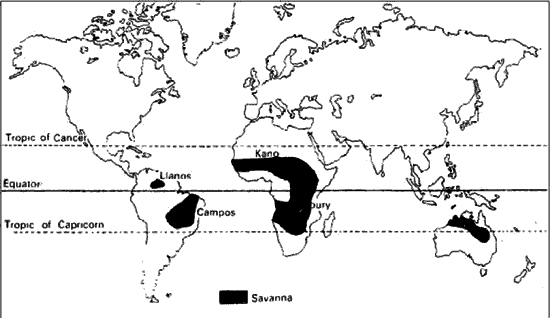
They are found in central parts of continents, away from coasts. Tropical Continental are between 5º to 15º North and South of the Equator. This climate has a wet and a dry season. The hot, wet occurs when the sun is overhead. Temperatures become colder when wind increase and the pressure fall.

The Monsoon
South-West Monsoon: Warm air rises and pressure is low. The air is forced to rise over mountains. This produce a big amount of rainfalls. For example, in Mumbai, it rains over 2000 mm in five months. Floods can be caused because of the high rainfalls. On the other hand, in the Himalayas, it keeps dry, which is given with the name of rainshadow.
North-West Monsoon: Between November and May (during te northern winter). This climate appear at the North of the Himalaya, where temperatures are low. There are small amounts of rain, for example in Mumbai, a graph shows that it rains only 45 mm in seven months.


Hot desert
The annual temperature is very high. Small amounts of rain, less than 250 mm of rain in a year, also transpiration is very high because of high temperatures. They are located between 5º and 30º North and South from the Equator. Temperatures at day can raise up to 50º, but during night they decrease. Deserts are very dry because the wind is not must.


Cold desert
It is located to the pole-ward side of 60º North (Eurasia). In winter, temperatures are under -20º. Cold winters are very long, and dark. In comparison to winter, summer are very short and warm. Temperatures in summer can rise up to 20º.

The equatorial climate lie 5º South and North from the Equator. The main areas where this climate exist are Congo (Africa) and the Amazon (South America). Temperatures are high and constant all the year. The annual range of temperature if from 2º, this happens because the sun hits directly to the equator all the year. Annual rainfall is from 2000 mm to 1500 mm. It rains everyday a little because of the evotranspiration.
Tropical Continental
They are found in central parts of continents, away from coasts. Tropical Continental are between 5º to 15º North and South of the Equator. This climate has a wet and a dry season. The hot, wet occurs when the sun is overhead. Temperatures become colder when wind increase and the pressure fall.
The Monsoon
South-West Monsoon: Warm air rises and pressure is low. The air is forced to rise over mountains. This produce a big amount of rainfalls. For example, in Mumbai, it rains over 2000 mm in five months. Floods can be caused because of the high rainfalls. On the other hand, in the Himalayas, it keeps dry, which is given with the name of rainshadow.
North-West Monsoon: Between November and May (during te northern winter). This climate appear at the North of the Himalaya, where temperatures are low. There are small amounts of rain, for example in Mumbai, a graph shows that it rains only 45 mm in seven months.
Hot desert
The annual temperature is very high. Small amounts of rain, less than 250 mm of rain in a year, also transpiration is very high because of high temperatures. They are located between 5º and 30º North and South from the Equator. Temperatures at day can raise up to 50º, but during night they decrease. Deserts are very dry because the wind is not must.
Cold desert
It is located to the pole-ward side of 60º North (Eurasia). In winter, temperatures are under -20º. Cold winters are very long, and dark. In comparison to winter, summer are very short and warm. Temperatures in summer can rise up to 20º.
jueves, 18 de abril de 2013
Earthquake and Tsunami on Japan 2011

Lines falls in Ishinomaki.

Land subsidence and soil liquefaction near the Duomo Shin-Urayasu

Soil liquefaction, one of the effects left by the earthquake.
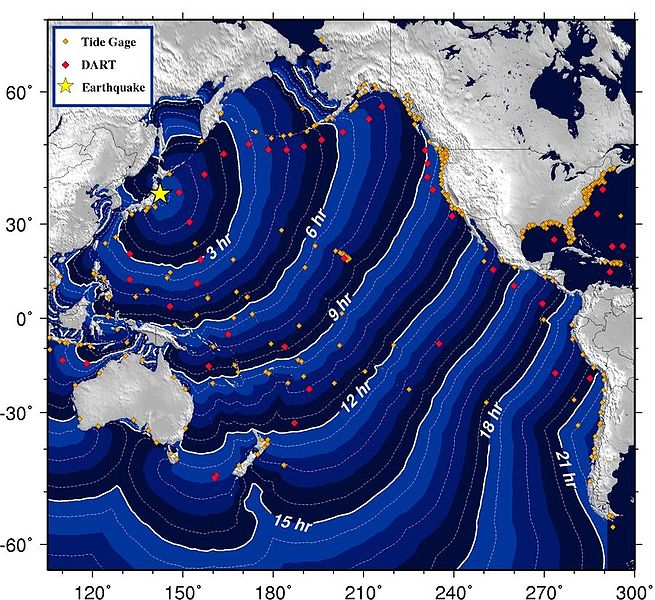
Estimated time of arrival of the tsunami to the shores of America.

Aerial view of tsunami tsunami in northern Sendai.

View Sendai, flooded after the earthquake and tsunami.
Here is a popplet that I made with Renata.
domingo, 5 de agosto de 2012
EM works
Environmental Management
This blog shows you what we do with Ale in the year.
I will start talking about the biomes.
The first biome that I will show you is the Tundra. This is a chart showing information about the Tundra, and this is a popplet showing more information.
The second biome that I will show you is the Desert. This is the popplet, that shows you the differents types of Deserts and their characteristics.
The last biome I will show you is the Grassland, here is the popplet.
Here I let you a video.
We work too with the population of the different countries and their birth rates in a scribble maps
Suscribirse a:
Entradas (Atom)